My Low Back Ability journey (an honest review)
Four years ago I hurt my back so badly that I needed surgery (my back surgery story). This September I hurt it again. :(
Disclosure: I later built NextSet, partly because of what I describe here.
Why I needed it
This time it was fatigue. I felt tired, my back and legs were heavy, and I kept playing anyway.
On September 25 I could already feel my back giving out. The next day I had the championship for Mixed B with Ate Cris, and I hesitated to play. I pushed through. Good thing we won! I even played one more game that night.
On September 27 I decided to rest in the hopes that I would be ready (at least decent) for the semifinal at the San Pablo tennis tournament on September 30. A massage on the 28th helped, but on the 30th I still had trouble getting in and out of the car and tying my own shoes. So I pulled out.
Wow, was I scared. Not being able to play tennis was part of it but the bigger fear was not being able to serve my family well (and play with the kids).
Thank God, a week of rest helped a lot. On the 8th day I could drive again, but the discomfort and sensitivity were still there. I knew that if I didn't strengthen my back and core, this would just happen again. That's when I started looking into exercises.
How I found it
I found Low Back Ability on Facebook, through reels. You know how it goes: you start searching for a topic, Facebook notices, and then it keeps sending you related reels. Creepy, a little scary, but sometimes helpful. :|
The community looked awesome. I did my research before paying, and for me it was mostly trustworthy. Yes, some claims felt questionable, but it was something I could work with. So I paid for the app and started my LBA journey.
The routine
Each session takes around 30 minutes. I did the default program, 5 days a week, which suits me because I like to work out daily.
My first session was on October 13. By the end of October I had done 17 workouts.
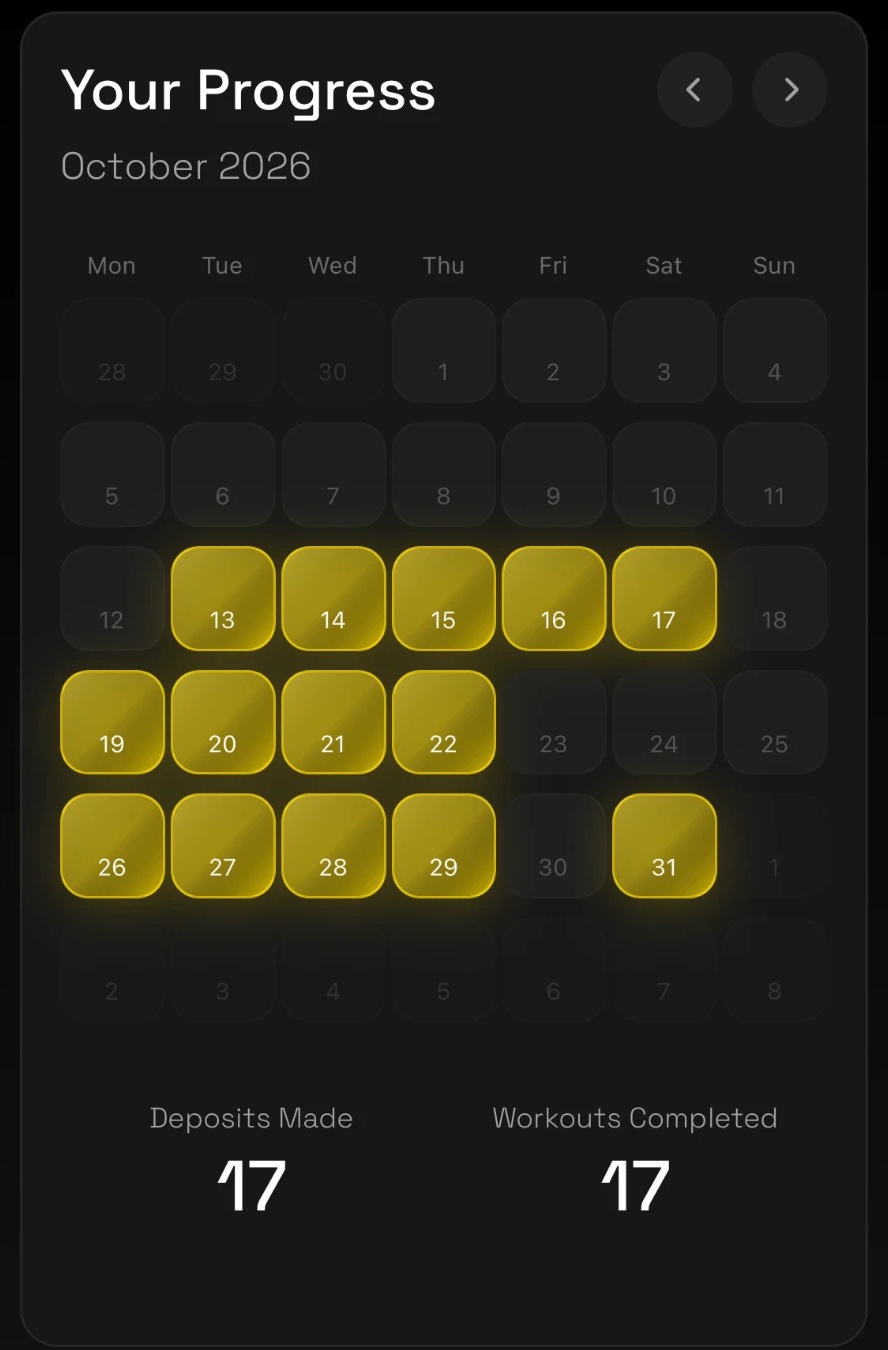
My October in the LBA app: 17 workouts, starting October 13.
The exercises were doable, even with a sensitive back. That mattered a lot. I didn't want something that would scare me off on day one.
I even bought a back extension machine. The back extension is a core exercise in the program, foundational even, so I had to get one. I found a cheap one on Lazada. So far so good, and I think it's worth it.
How I tracked my pain
I scored my pain from 0 to 10. The most important score is the one you give the next morning, when you wake up. How you feel right after a workout is nice, but the next morning tells you whether it actually helped.
With some exercises, I could feel the difference right after doing them. Literally right after.
The moments I remember most aren't one big breakthrough. It was feeling good after a workout, then waking up the next day and still feeling okay. Then doing it again. It's really about the progress: not regressing, and continually improving.
What helped
- Doable from day one. I could start while my back was still sensitive.
- Feeling better right after certain exercises. That kept me going on the days I didn't feel like it.
- The YouTube videos and testimonies. Honestly, I didn't engage in the Discord. But the videos and other people's stories helped, both for motivation and for understanding what I was doing.
- Sticking with it. I did the program for 5 weeks, and I'm still doing it now, with some changes because I also train for tennis.
What I missed
After a few weeks, I got to thinking whether I'd keep paying the monthly fee. I like the program, but it isn't dynamic. It's the same plan for everyone, and it doesn't change when your week does.
I also wanted to add exercises specific to tennis. I was working those out with Grok and Claude, so my training ended up in three places: the LBA app for my back, and Google Calendar plus my AI chats for tennis. None of them knew about the others.
Back on court
Around October 14, about three weeks after the injury, I was back on court, one game a day.
Here's the awesome part. After three weeks with no games, my body was fully rested, and I went on a two-week winning streak, with two "barangays" (what we call a tie). I guess rest really does boost performance. Playing on a tired body works against you. Lesson learned, the hard way.
My take on back pain
Based on what I've researched and experienced, I've come to see low back pain as a symptom. Somewhere there's a muscle weakness, and the low back ends up carrying the load.
In my case, my hunch is weak glutes, and maybe tight hamstrings and groin muscles too. When I got too fatigued, my low back started to compensate for certain movements. For me, I think it was sprinting toward balls that were far away.
Yes, you need to rest until the pain goes away. You may even need painkillers. But long term, it's exercise that keeps back pain away. With a strong core and a strong back, it's a lot harder for it to happen. If you don't exercise, it's only a matter of time before it comes back.
Who it's for
I'd recommend it to people who already have some exercise background, and who are a bit younger.
You have to be sensitive to your pain and honest about it. No ego. Only do the exercises that don't cause pain. They will feel easy, and that's the key. Be patient and stick to it.
If you're a bit older or new to exercise, I'd suggest working with a coach, so someone can actually check your execution.
And if you want a plan that changes with your sport and your schedule, you'll probably end up adding things on your own, like I did.
What I did next
I wanted everything in one place, so I built NextSet: AI Workout Tracker (gonextset.com). I wrote about why in Why I built NextSet.
I'm not a doctor or a physio. This is my own experience, not medical advice. If your back hurts, see a professional.